
Side gates, back gates and pedestrian gates, made to the gap you actually have rather than trimmed down from a stock size. Composite panels in a powder-coated steel frame, measured on site and fitted by the same people who quoted it — including the awkward ones between a house wall and a neighbour's fence.
Free survey and written quote. No obligation, and a straight answer on whether we cover your postcode.
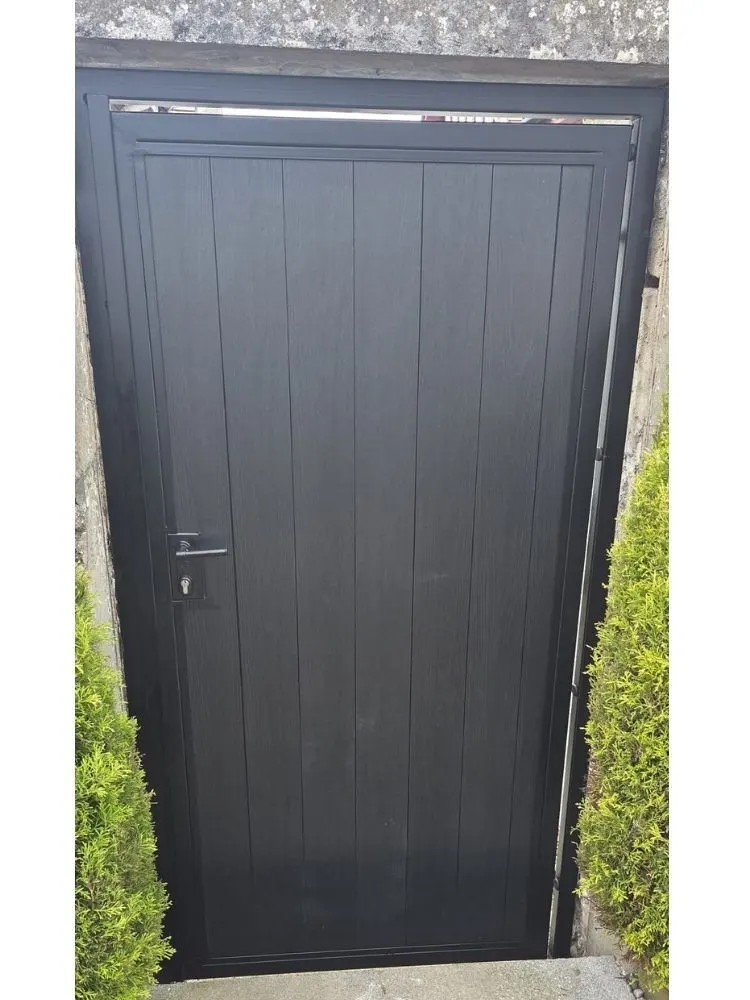
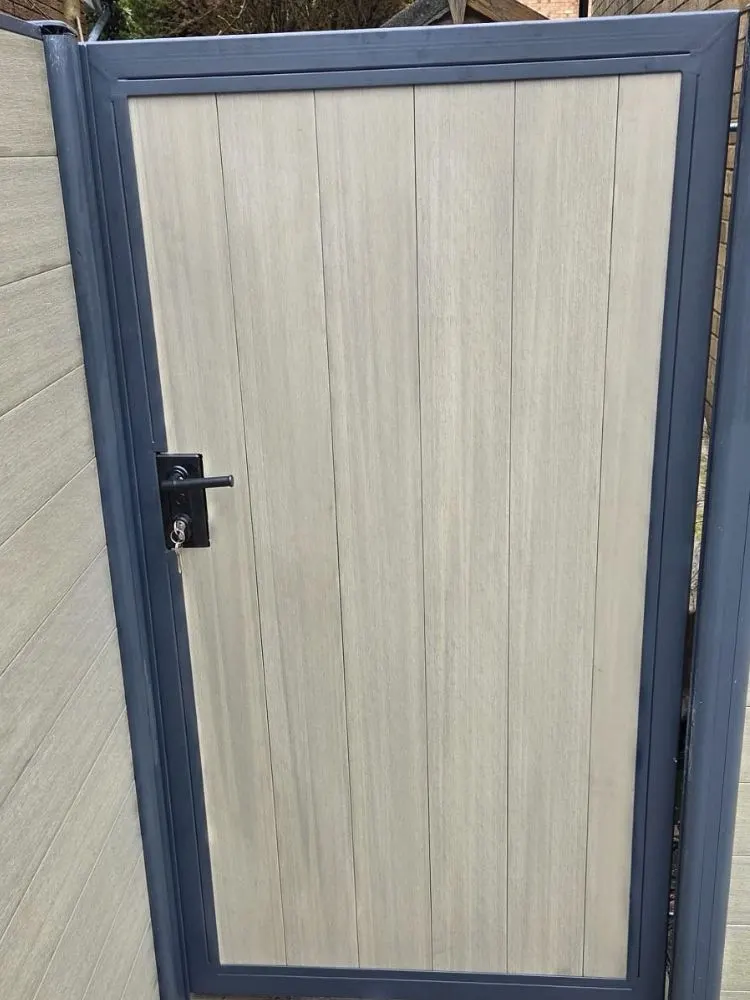
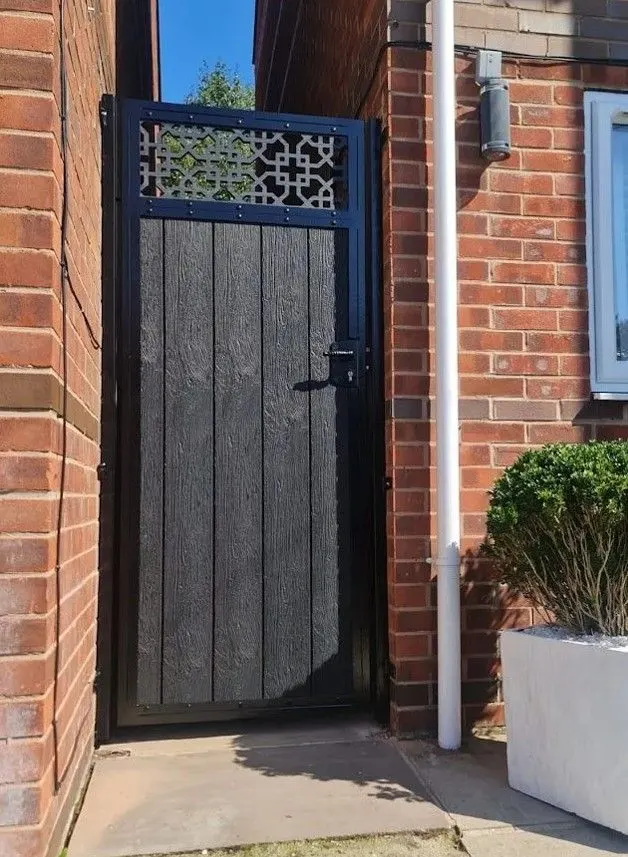
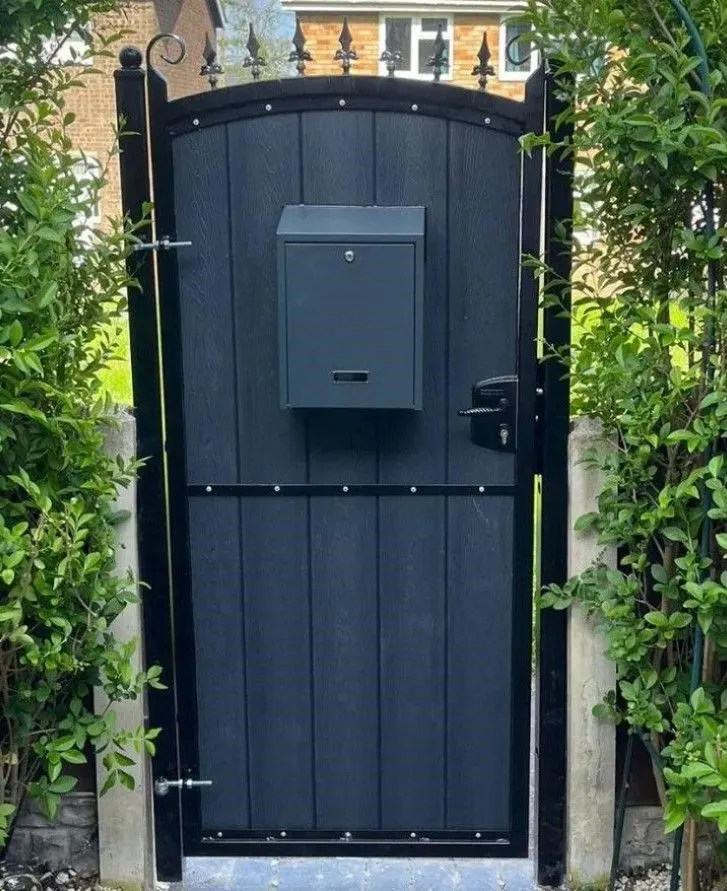
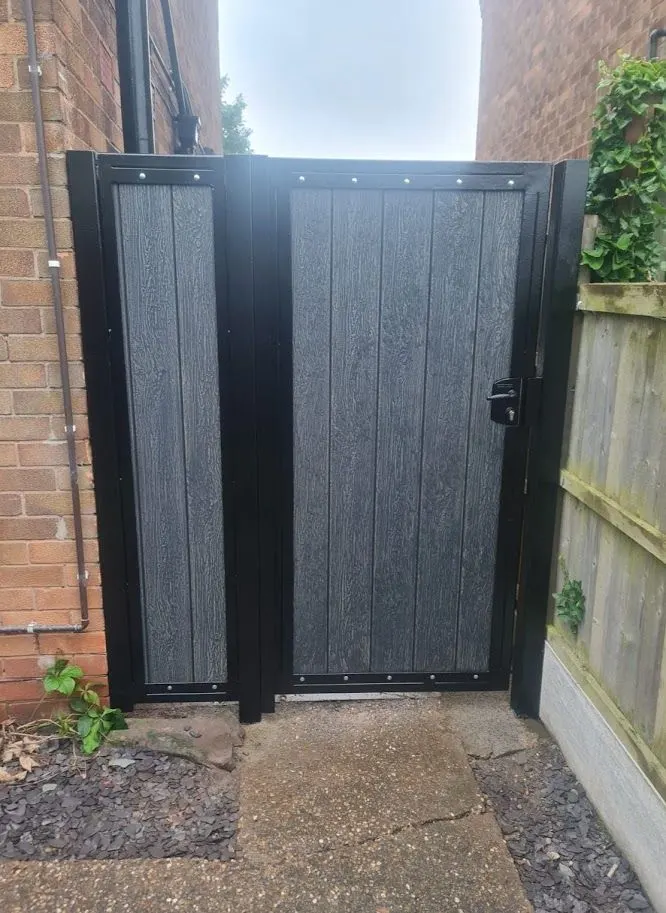
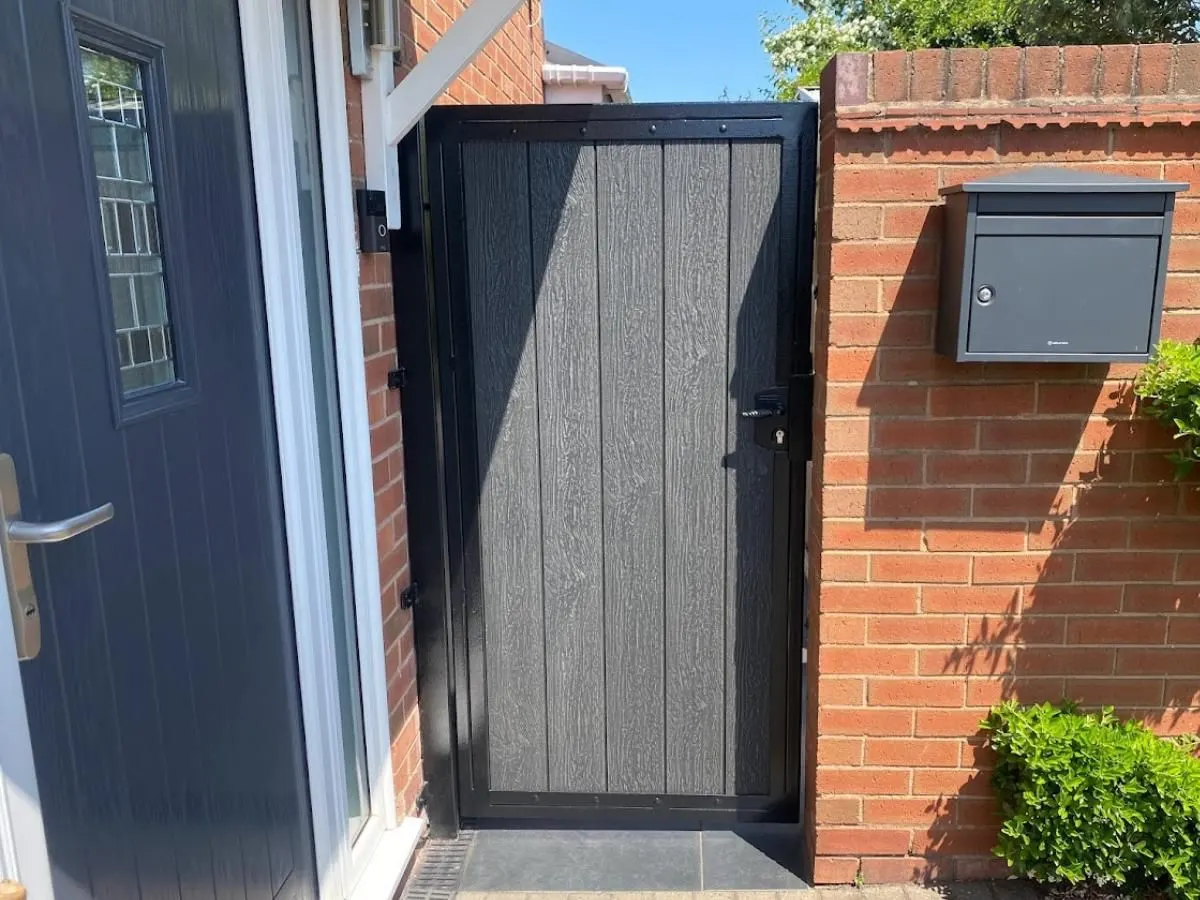
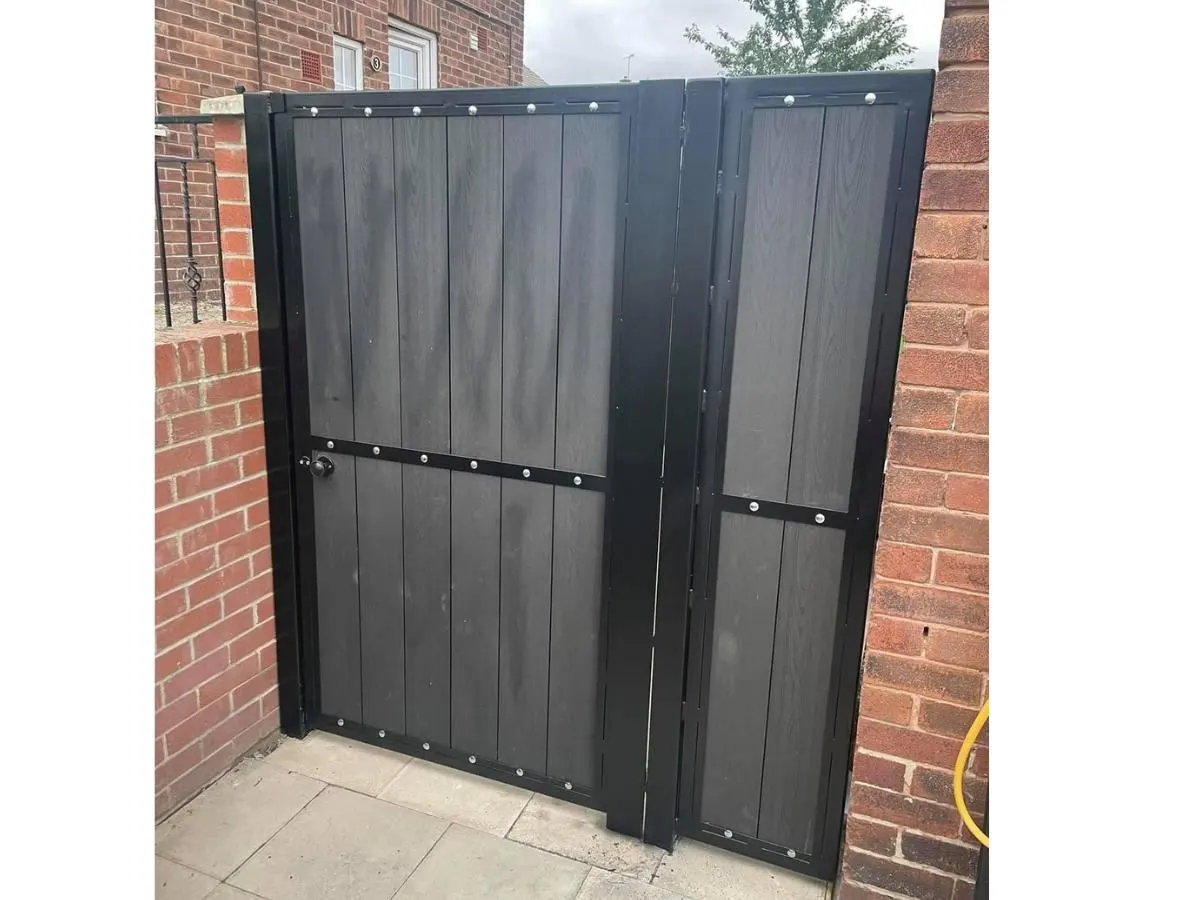
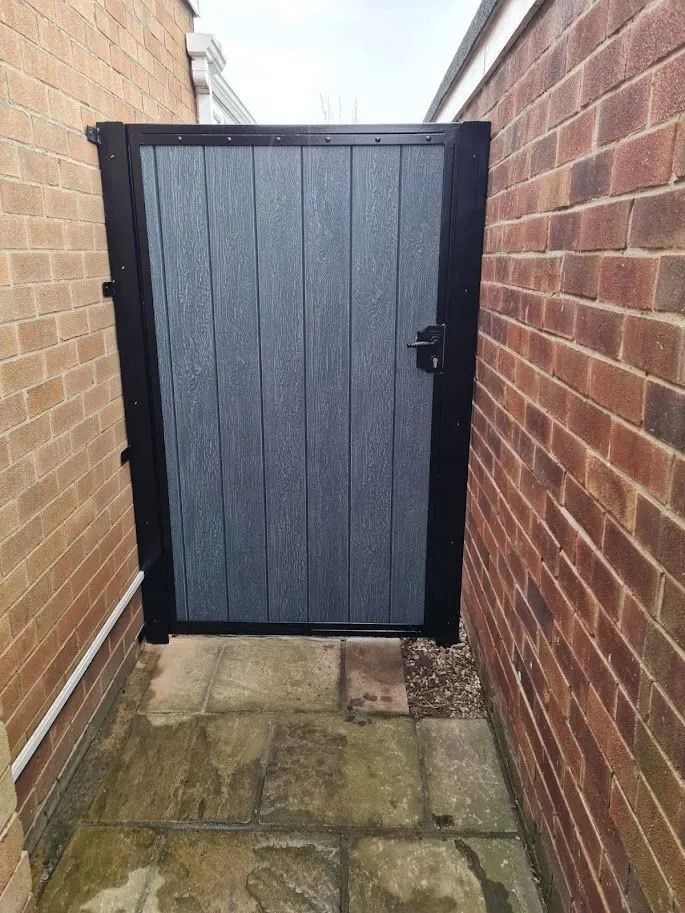
Side gates, back gates and pedestrian gates, each built to the gap it went into. See more of our work.
They get treated as the small version of the same job. They are not. Almost everything that decides a side gate is different from what decides a driveway gate, and the differences are what make them go wrong.
A driveway gate hangs between two piers built for the purpose. A side gate typically hangs off the house wall on one side and a fence post, boundary wall or concrete post on the other — two completely different fixings on the same gate, carrying the same leaf. Getting that pairing right is most of the job.
A passage between a house and a boundary narrows and widens, and the wall is rarely plumb. We measure top and bottom and at both ends, because a gate built to the widest point will not fit and a gate built to the narrowest leaves a gap you can see daylight through. On older properties a 15–25mm difference over the height of the opening is completely normal.
Not by the gap. A wheelie bin, a mower, a bike with panniers, a wheelbarrow — these set the clear opening you actually need, and clear opening is narrower than the gap because the frame and the hinge take their share. It is worth measuring the widest thing you own before anyone measures the passage.
Usually the strongest available point, but not always straightforward. Cavity walls need fixings long enough to reach the inner leaf without bridging the cavity. Rendered walls hide what is underneath, which might be block, might be brick, and might be insulation. We resolve that at survey rather than on the day, because discovering render over insulated block with the gate already made is how a job loses a morning.
Common on estate boundaries and often perfectly usable. The gate is built as a framed unit sized to sit between them, so the posts stay and the gate fits the gap they leave. It is normally the cheapest good outcome available.
The most frequent arrangement, and the one that needs thinking about. A house wall does not move; a fence post does. Where the boundary side is a timber post of unknown age we would rather put in a new post than hang a gate that will be out of square in two winters — and we will say so at survey rather than fit it and hope.
Most side and garden gates need no permission at all, but the threshold catches people out, and it is not the same everywhere.
In England, a boundary gate, fence or wall generally needs planning permission once it goes above two metres — or above one metre where it fronts a highway used by vehicles, or the footway of one. Most side gates sit comfortably under both. Scotland and Wales set their own thresholds and any conservation area or listed building changes the answer, so where a gate is going to be tall or is on a frontage, check with the council first. It is a five-minute call.
A solid infilled gate at 1.8m gives complete privacy and makes a narrow passage feel like a corridor. A gate with a screen top or an open section above the panel line gives most of the privacy back while letting light down the passage and letting you see who is there before you open it. On a north-facing side return the light matters more than people expect.
A screen section, a lattice panel or a decorative topper adds height without adding solid mass, which keeps wind load down and often keeps the gate under the threshold that would need permission. They are a frame job rather than a panel job, which is why they change the price.
A gate into a passage almost always wants to open into the garden rather than out towards the street, both because an outward swing over a footway is a problem and because a gate that opens away from you is easier to get through carrying something. Which side the hinges go then follows from where the wall is.
A rear or side gate is usually the one you come back to with your hands full. Key both sides, or key one side and a thumbturn on the garden side, is the usual answer — but a thumbturn reachable through a gap in a gate is not a lock, so on an open-topped or screen-topped gate the thumbturn goes where an arm cannot reach it.
A drop bolt into a socket set in the path holds a gate still in wind and stops it being lifted off. On a single pedestrian gate it is often the difference between a gate that rattles all winter and one that does not.
If a side gate is the only way out of a rear garden, it should be openable from the inside without a key. It is worth saying out loud at survey, because a gate specified purely for security can end up being the thing between a family and the street.
Side gates are frequently ordered after a driveway gate, sometimes years later. The panel colours and frame finishes are a deliberately small range precisely so a gate made now still matches one made then. Tell us what you have and we will match it rather than getting close.
There is a decent argument for a side gate being plainer than the driveway gates it sits behind — it is a working gate that gets kicked open with a bin in each hand. A plain infilled panel in the same colour usually looks more considered than a scaled-down copy of the front gates.
Gate prices move on a handful of variables rather than a fixed rate. The main ones are:
What it hangs on — Fixing to sound existing posts or a solid wall is the cheapest outcome. A new post, concreted in and made good, adds labour. Render hiding something unexpected adds both.
Height and what is above the panel line — A plain gate under two metres is the baseline. Screen tops, lattice sections, arched and bow tops and finials are frame work, not panel work, and price accordingly.
Ironmongery — A latch and a pair of hinges is the baseline. Locking both sides, drop bolts, and heavier adjustable hinges each add.
Access on the day — A side passage you can get a gate down is a straightforward fit. One that can only be reached through the house, or over a neighbour's ground, is a different job and worth flagging when you enquire.
Matching an existing gate — Matching a colour and finish we already stock costs nothing extra. Matching something bespoke from another supplier may not be possible, and we will tell you before you order rather than after.
← Back to all areas we cover
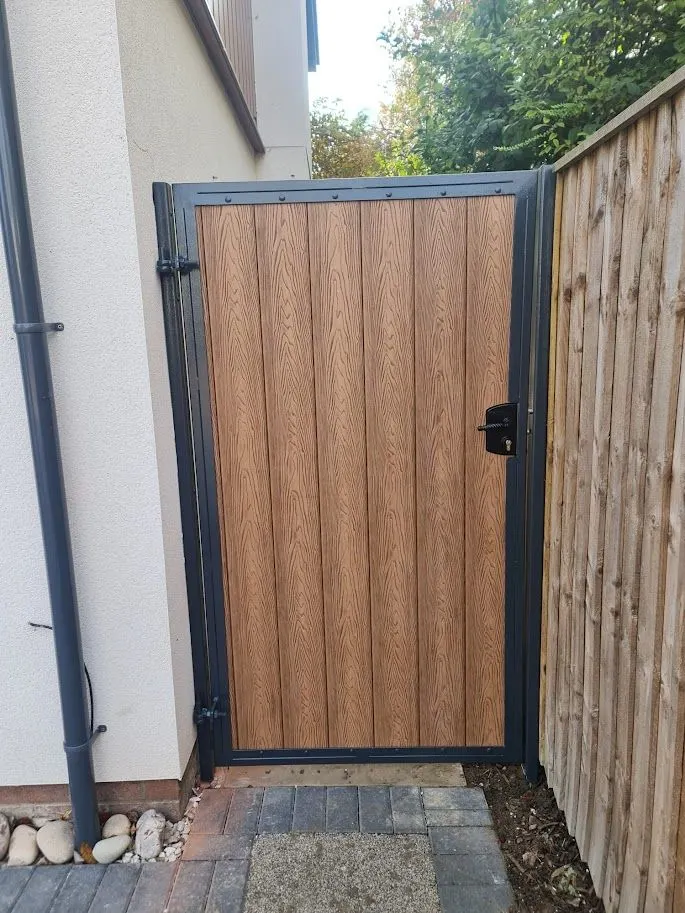
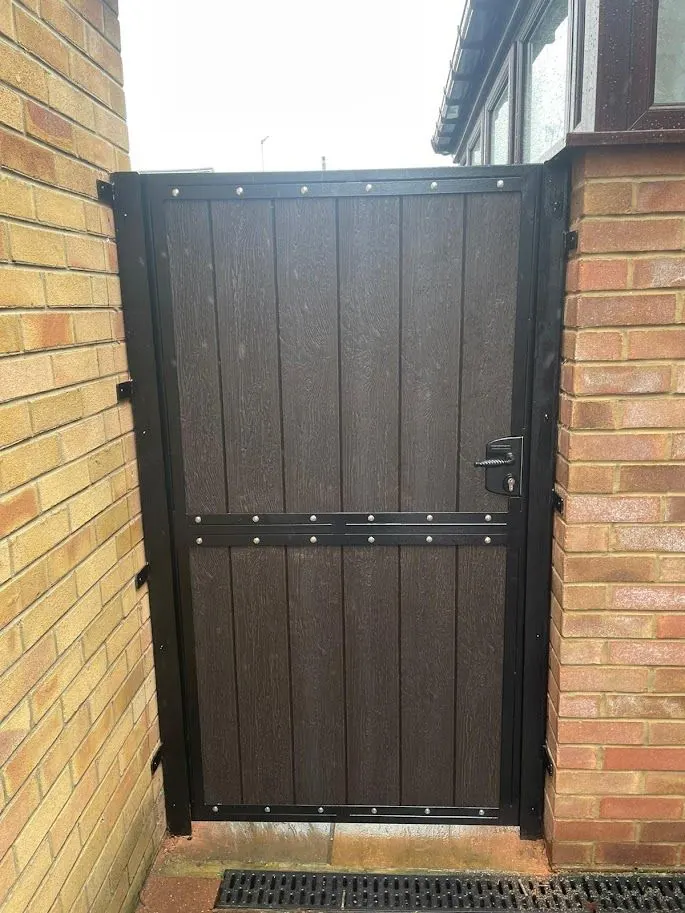
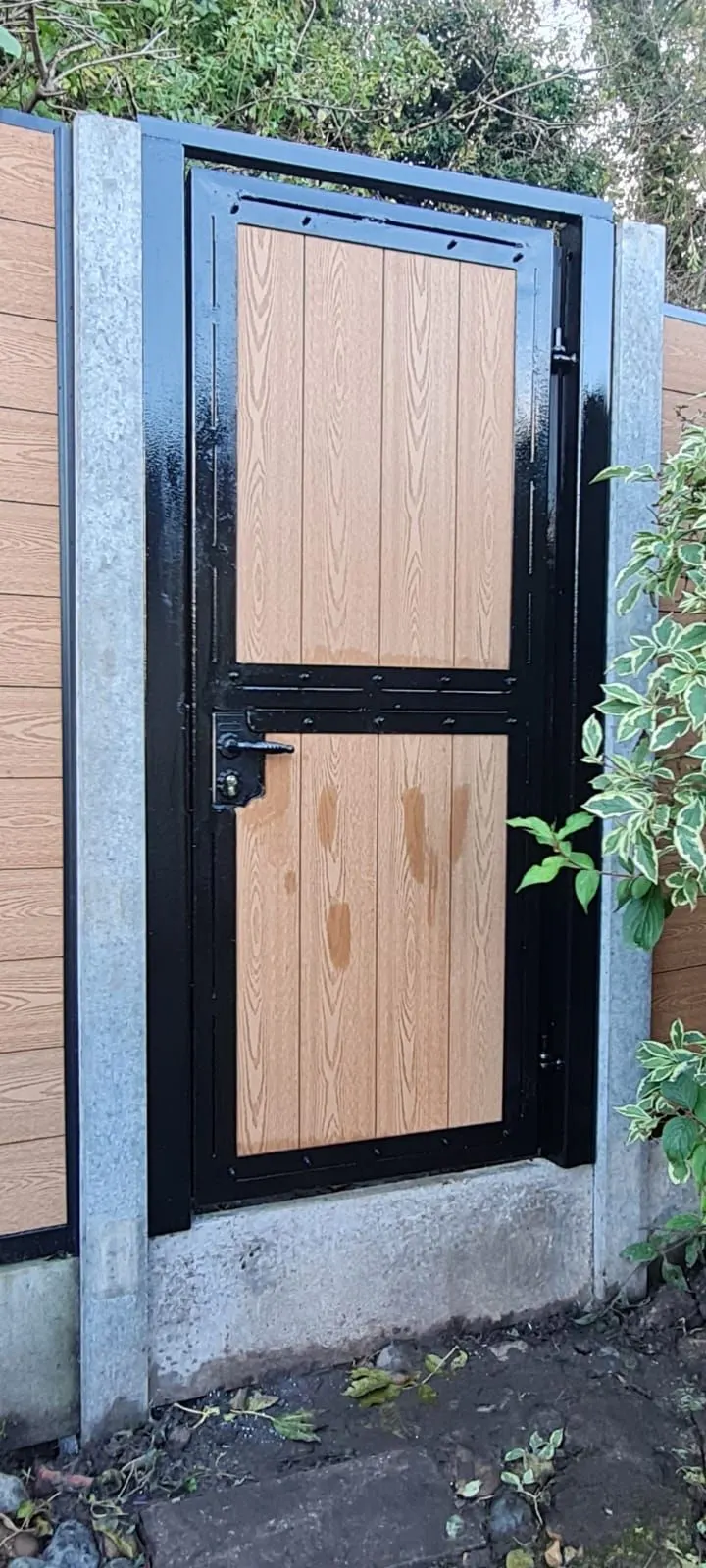
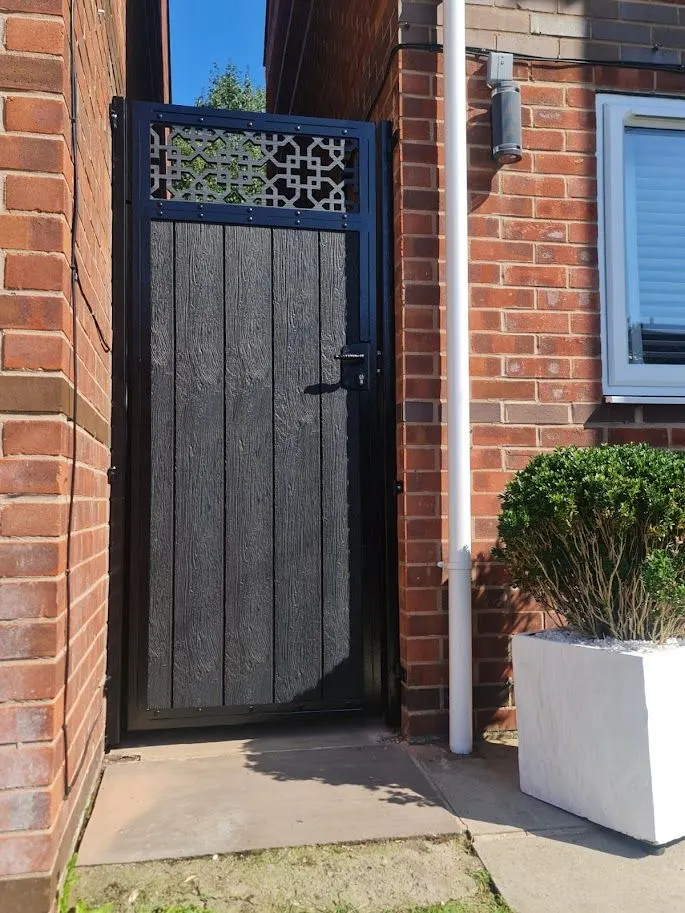
Garden gates and back gates, made to the opening rather than cut down to fit. Every town below has its own page.
Composite Garden Gates Blyth| Composite Garden Gates Cramlington| Composite Garden Gates Darlington| Composite Garden Gates Durham| Composite Garden Gates Gateshead| Composite Garden Gates Hartlepool| Composite Garden Gates Middlesbrough| Composite Garden Gates Newcastle upon Tyne| Composite Garden Gates Stockton-on-Tees| Composite Garden Gates Sunderland| Composite Garden Gates Whitley Bay
Composite Garden Gates Blackburn| Composite Garden Gates Blackpool| Composite Garden Gates Bolton| Composite Garden Gates Burnley| Composite Garden Gates Chester| Composite Garden Gates Chorley| Composite Garden Gates Crewe| Composite Garden Gates Preston| Composite Garden Gates Skelmersdale| Composite Garden Gates Southport| Composite Garden Gates Wigan| Composite Garden Gates Wrexham
Composite Garden Gates Barnsley| Composite Garden Gates Batley| Composite Garden Gates Bradford| Composite Garden Gates Castleford| Composite Garden Gates Dewsbury| Composite Garden Gates Doncaster| Composite Garden Gates Garforth| Composite Garden Gates Goole| Composite Garden Gates Halifax| Composite Garden Gates Harrogate| Composite Garden Gates Holmfirth| Composite Garden Gates Horsforth| Composite Garden Gates Huddersfield| Composite Garden Gates Keighley| Composite Garden Gates Knottingley| Composite Garden Gates Leeds| Composite Garden Gates Pontefract| Composite Garden Gates Rotherham| Composite Garden Gates Sheffield| Composite Garden Gates Skipton| Composite Garden Gates Wakefield| Composite Garden Gates Wetherby| Composite Garden Gates York
Composite Garden Gates Chesterfield| Composite Garden Gates Corby| Composite Garden Gates Derby| Composite Garden Gates Kettering| Composite Garden Gates Leicester| Composite Garden Gates Loughborough| Composite Garden Gates Lutterworth| Composite Garden Gates Mansfield| Composite Garden Gates Market Harborough| Composite Garden Gates Melton Mowbray| Composite Garden Gates Newark-on-Trent| Composite Garden Gates Northampton| Composite Garden Gates Nottingham| Composite Garden Gates Swadlincote| Composite Garden Gates Wellingborough| Composite Garden Gates Worksop
Composite Garden Gates Birmingham| Composite Garden Gates Bromsgrove| Composite Garden Gates Coventry| Composite Garden Gates Droitwich Spa| Composite Garden Gates Dudley| Composite Garden Gates Hereford| Composite Garden Gates Kidderminster| Composite Garden Gates Redditch| Composite Garden Gates Stourbridge| Composite Garden Gates Stourport| Composite Garden Gates Sutton Coldfield| Composite Garden Gates Walsall| Composite Garden Gates West Bromwich| Composite Garden Gates Wolverhampton| Composite Garden Gates Worcester
Composite Garden Gates Berkhamsted| Composite Garden Gates Borehamwood| Composite Garden Gates Harpenden| Composite Garden Gates Hemel Hempstead| Composite Garden Gates Letchworth Garden City| Composite Garden Gates Rickmansworth| Composite Garden Gates St Albans| Composite Garden Gates Stevenage| Composite Garden Gates Tring| Composite Garden Gates Watford| Composite Garden Gates Welwyn Garden City
Composite Garden Gates Amersham| Composite Garden Gates Aylesbury| Composite Garden Gates Beaconsfield| Composite Garden Gates Bicester| Composite Garden Gates Henley-on-Thames| Composite Garden Gates High Wycombe| Composite Garden Gates Marlow| Composite Garden Gates Milton Keynes| Composite Garden Gates Oxford| Composite Garden Gates Slough
Composite Garden Gates Basildon| Composite Garden Gates Billericay| Composite Garden Gates Braintree| Composite Garden Gates Brentwood| Composite Garden Gates Canvey Island| Composite Garden Gates Chelmsford| Composite Garden Gates Colchester| Composite Garden Gates Harlow| Composite Garden Gates Romford| Composite Garden Gates Southend-on-Sea| Composite Garden Gates Stanford-le-Hope| Composite Garden Gates Wickford
Composite Garden Gates Battersea| Composite Garden Gates Beckenham| Composite Garden Gates Bermondsey| Composite Garden Gates Brentford| Composite Garden Gates Brixton| Composite Garden Gates Bromley| Composite Garden Gates Chelsea| Composite Garden Gates Croydon| Composite Garden Gates Deptford| Composite Garden Gates Ealing| Composite Garden Gates Enfield| Composite Garden Gates Fulham| Composite Garden Gates Greenwich| Composite Garden Gates Hounslow| Composite Garden Gates Kingston upon Thames| Composite Garden Gates Mitcham| Composite Garden Gates Northwood| Composite Garden Gates Orpington| Composite Garden Gates Peckham| Composite Garden Gates Putney| Composite Garden Gates Richmond| Composite Garden Gates Rotherhithe| Composite Garden Gates South London| Composite Garden Gates Streatham| Composite Garden Gates Sutton| Composite Garden Gates Teddington| Composite Garden Gates Twickenham| Composite Garden Gates Uxbridge| Composite Garden Gates Walworth| Composite Garden Gates Wandsworth| Composite Garden Gates Wembley| Composite Garden Gates Wimbledon| Composite Garden Gates Woolwich
Composite Garden Gates Banstead| Composite Garden Gates Caterham| Composite Garden Gates Chertsey| Composite Garden Gates Dorking| Composite Garden Gates Epsom| Composite Garden Gates Guildford| Composite Garden Gates Horley| Composite Garden Gates Leatherhead| Composite Garden Gates Oxted| Composite Garden Gates Redhill| Composite Garden Gates Reigate| Composite Garden Gates Sunbury-on-Thames| Composite Garden Gates Tadworth| Composite Garden Gates Walton-on-Thames| Composite Garden Gates Woking
Composite Garden Gates Brighton| Composite Garden Gates Chichester| Composite Garden Gates Crawley| Composite Garden Gates East Grinstead| Composite Garden Gates Henfield| Composite Garden Gates Horsham| Composite Garden Gates Hove| Composite Garden Gates Littlehampton| Composite Garden Gates Portslade| Composite Garden Gates Royal Tunbridge Wells| Composite Garden Gates Sevenoaks| Composite Garden Gates Shoreham-by-Sea| Composite Garden Gates Southwick| Composite Garden Gates Steyning| Composite Garden Gates Storrington| Composite Garden Gates Uckfield| Composite Garden Gates Worthing
Composite Garden Gates Andover| Composite Garden Gates Basingstoke| Composite Garden Gates Bournemouth| Composite Garden Gates Dorchester| Composite Garden Gates Eastleigh| Composite Garden Gates Poole| Composite Garden Gates Portsmouth| Composite Garden Gates Romsey| Composite Garden Gates Southampton| Composite Garden Gates Weymouth| Composite Garden Gates Winchester
Composite Garden Gates Bath| Composite Garden Gates Bridgwater| Composite Garden Gates Bristol| Composite Garden Gates Cheltenham| Composite Garden Gates Cirencester| Composite Garden Gates Frome| Composite Garden Gates Gloucester| Composite Garden Gates Midsomer Norton| Composite Garden Gates Portishead| Composite Garden Gates Stroud| Composite Garden Gates Taunton| Composite Garden Gates Weston-super-Mare| Composite Garden Gates Yeovil
Composite Garden Gates Bodmin| Composite Garden Gates Camborne| Composite Garden Gates Dartmouth| Composite Garden Gates Exeter| Composite Garden Gates Falmouth| Composite Garden Gates Launceston| Composite Garden Gates Newquay| Composite Garden Gates Paignton| Composite Garden Gates Penzance| Composite Garden Gates Plymouth| Composite Garden Gates St Austell| Composite Garden Gates St Ives| Composite Garden Gates Tavistock| Composite Garden Gates Torquay| Composite Garden Gates Truro
Composite Garden Gates Abergavenny| Composite Garden Gates Barry| Composite Garden Gates Blackwood| Composite Garden Gates Bridgend| Composite Garden Gates Caerphilly| Composite Garden Gates Cardiff| Composite Garden Gates Cwmbran| Composite Garden Gates Llantwit Major| Composite Garden Gates Merthyr Tydfil| Composite Garden Gates Newport| Composite Garden Gates Penarth| Composite Garden Gates Pontypool| Composite Garden Gates Pontypridd| Composite Garden Gates Port Talbot| Composite Garden Gates Swansea
Not listed? Send us your postcode and we will confirm whether we can cover you — either way, you will get a straight answer. See all areas we cover.


Founded in 2023. Composite Gates UK has brought together quality British Manufacturing with personal, local services to provide a unique composite gate & composite fencing proposition that is gradually widening its reach across the UK.
Through local companies you are provide with a total composite gate and metal gates service from site survey and measurement, to fabrication and installation.
Steel frames can be galvanised or zinc primed and then powder coated finished to ensure strong, long lasting frames with a selection of composite infill panels. Almost any colour fame can be selected. Additional gate personalisation can be added with arch top finishes, finials and screens for a truley bespoke composite gate, or metal gate service.
All our local fabricators are skilled working with metal, so if a set of composite gates are outside your budget they can also build and install metal gates.
We provide the perfect one stop experience for customers looking for bespoke driveway gates, garden gates and side gates. In a number of locations we can provide electric gates too, and a supply and fit for select composite fencing across parts of the UK.
© 2026 All Rights Reserved | Composite Gates UK