
Measured · Manufactured · Installed
Composite and metal driveway, side and garden gates, made to measure for your opening and fitted across Edinburgh. Every gate is surveyed on site, built to those measurements, and installed by the same people who quoted it — with the city's conservation requirements taken into account from the first conversation.
Free survey and written quote. No obligation, and a straight answer on whether we cover your postcode.
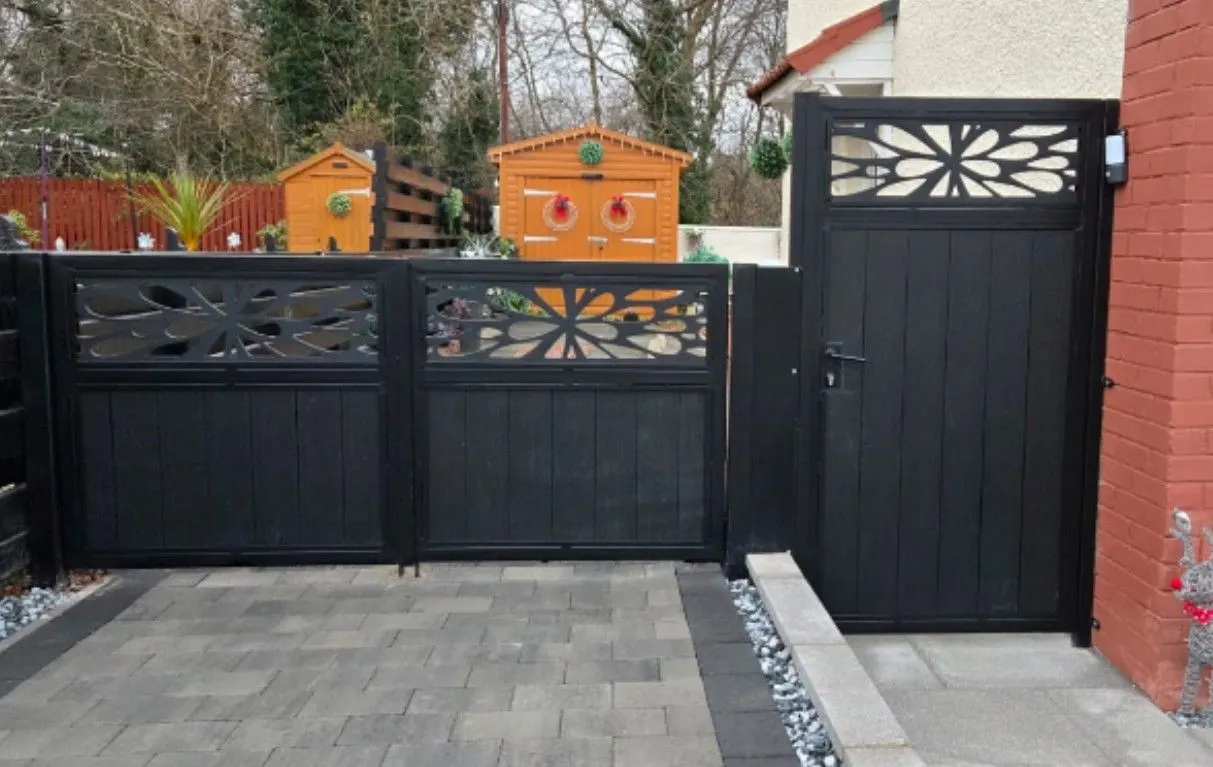
Recent installations
Every gate is made to measure for the opening it goes on. A small selection of driveway gates — hinged and sliding, arched and square-topped.
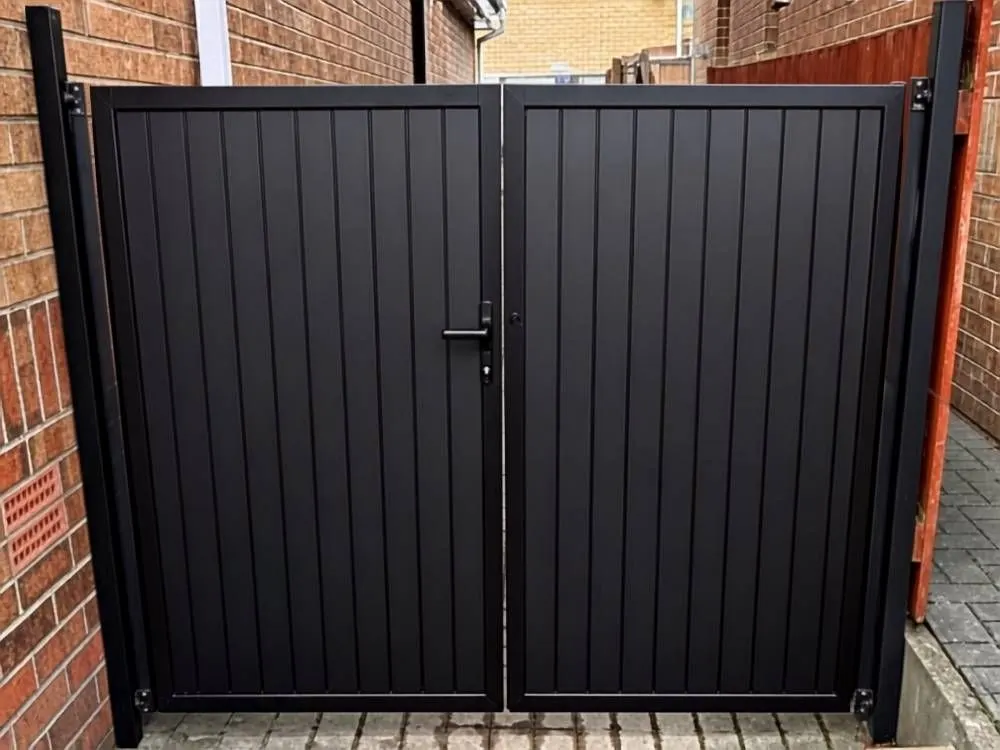
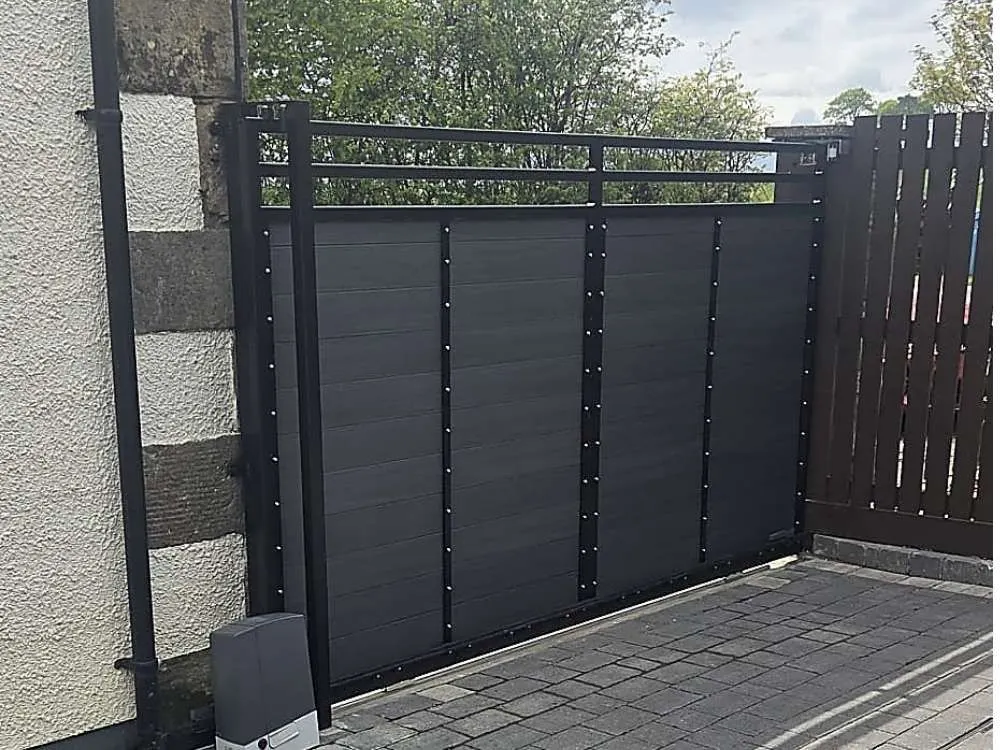
Something here close to what you had in mind? Get a free quote.
Side & garden gates
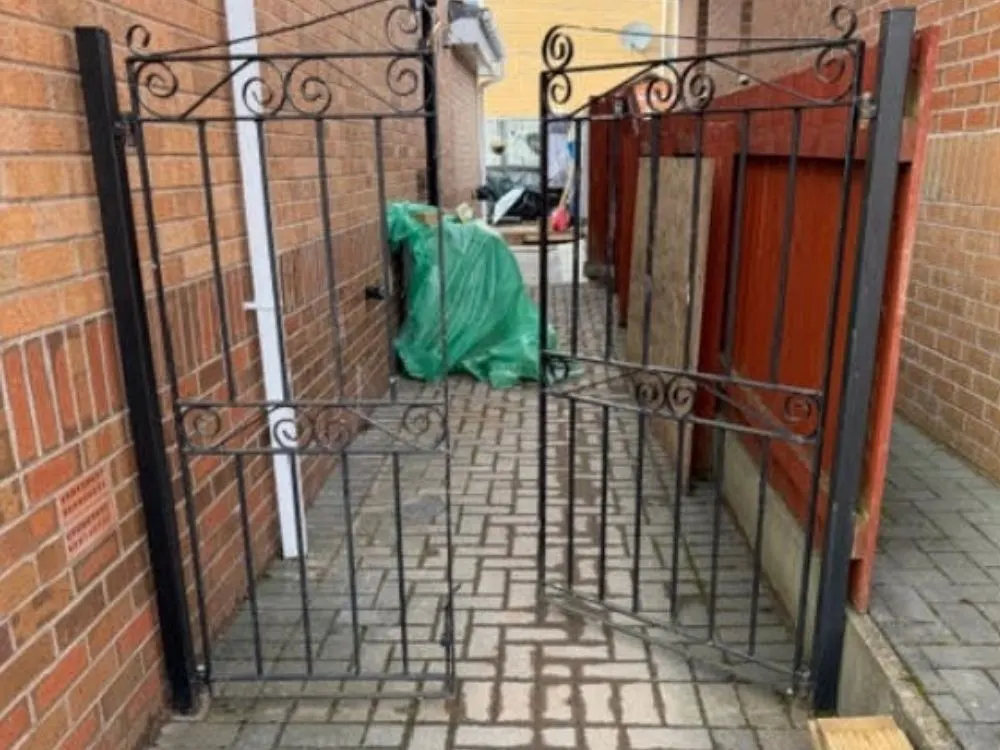
Side gates, back gates and pedestrian gates, made to the opening rather than cut down to fit a stock size — which is why they still close cleanly years later.
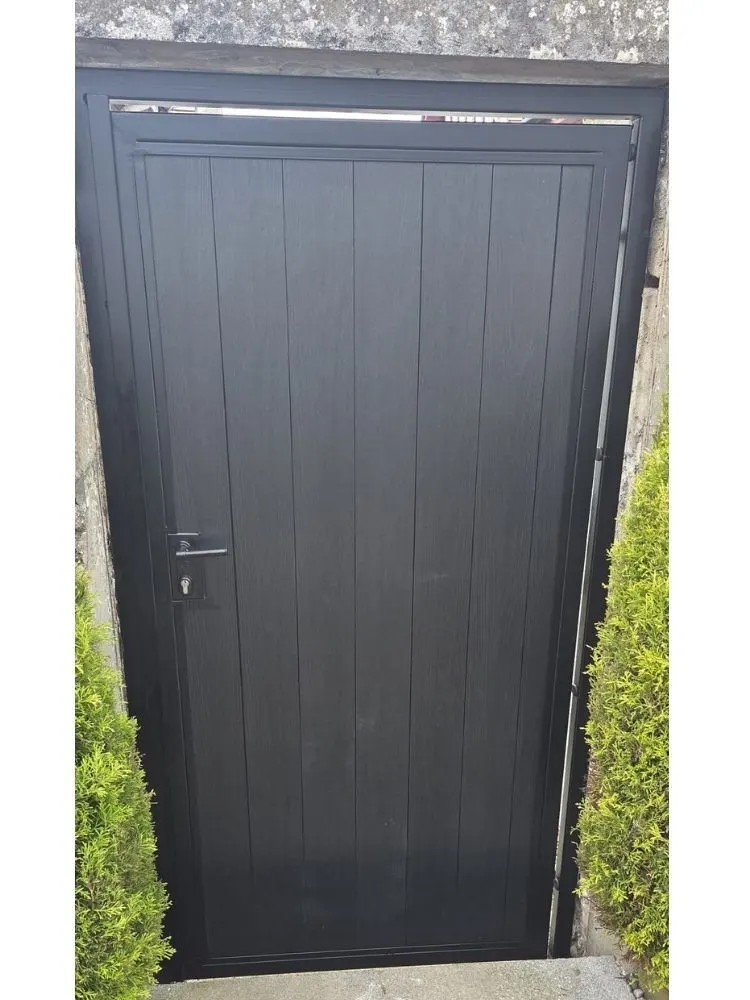
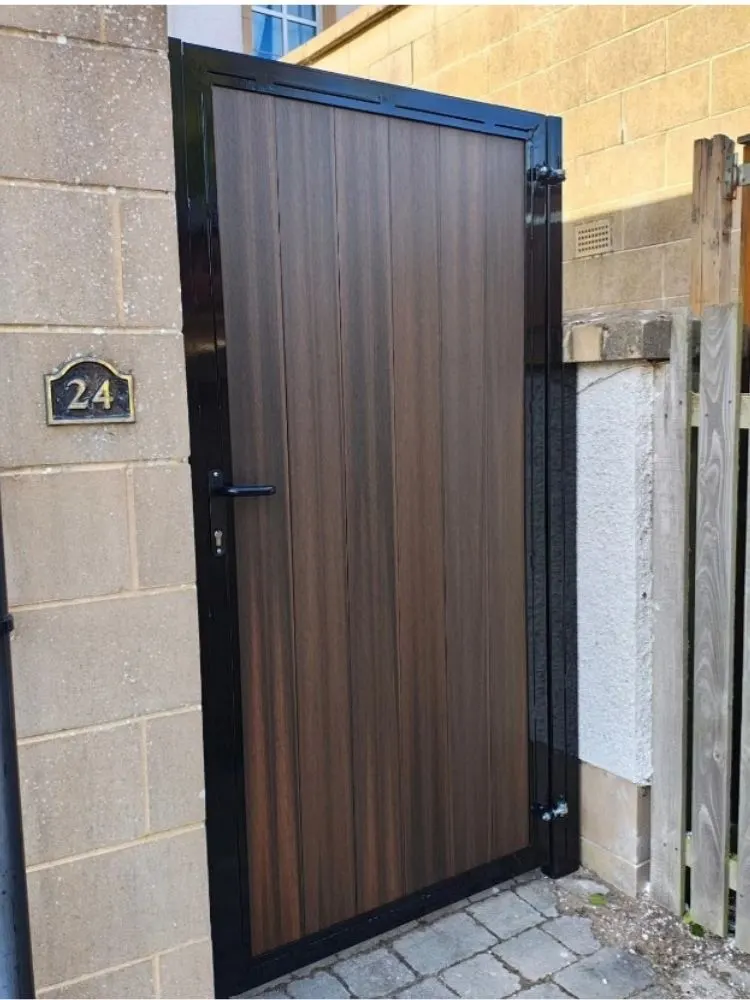
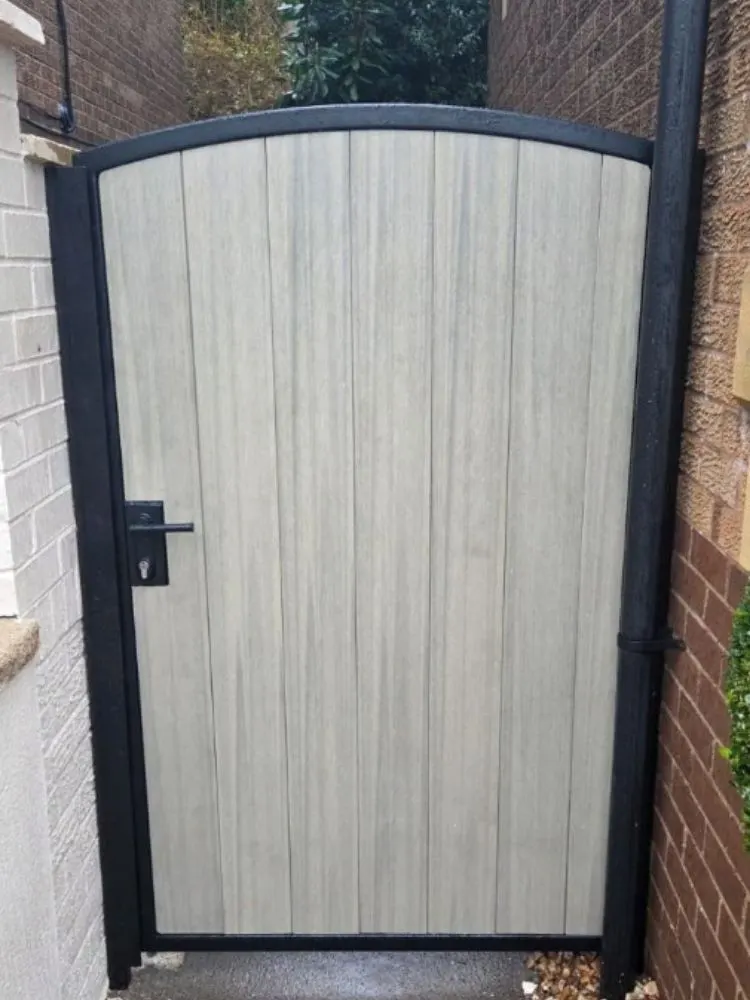
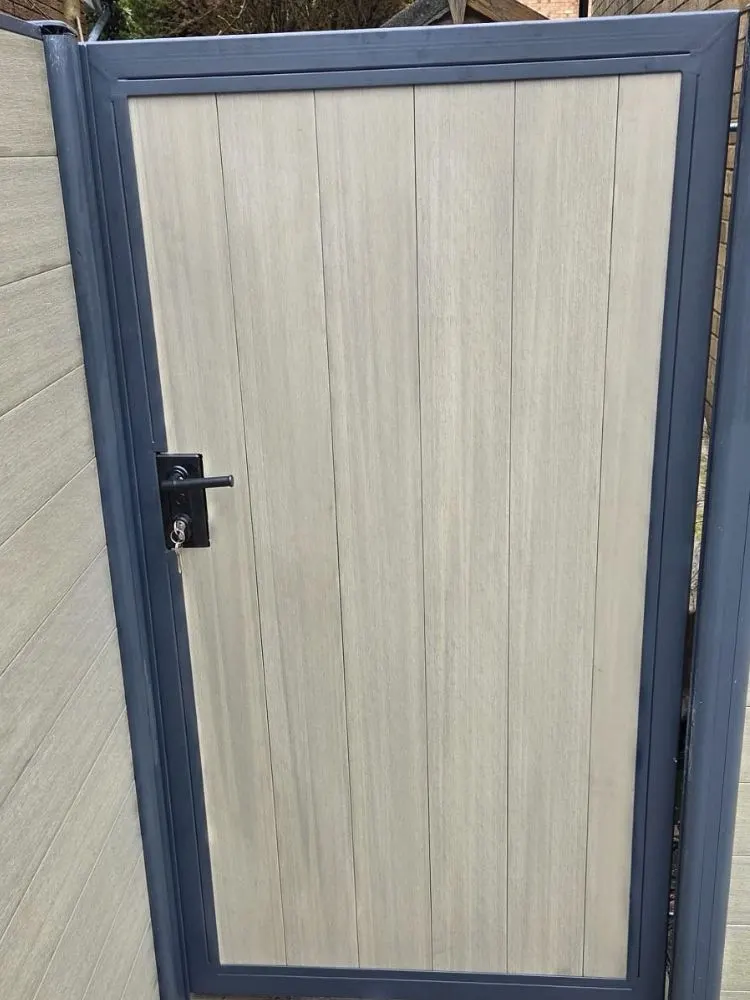
Want the same style as your driveway gates? Get a free quote.
Coverage moves. We are always reviewing how the installers on our network are performing and taking on new ones as demand grows, so the towns below are where we work most consistently rather than a complete or permanent list.
The surrounding suburbs and villages are covered too. If your area is not named, send your postcode and we will confirm.
Covered across the city: Leith, Portobello, Newington, Morningside, Marchmont, Stockbridge, Trinity, Corstorphine, Colinton, Currie, Balerno, Cramond, Davidson's Mains, Liberton, Gilmerton, South Queensferry and the surrounding suburbs.
Musselburgh, Dalkeith, Bonnyrigg, Penicuik, Tranent, Haddington, North Berwick, Dunbar, Linlithgow, Bathgate and Broxburn are covered from our Lothian page.
Edinburgh has one of the largest protected historic areas in the UK — the Old and New Towns are a World Heritage Site, and conservation areas extend well beyond them across Marchmont, Morningside, Stockbridge, Trinity and much of the Victorian suburbs. Thousands of properties are listed. Height, style, material and how a gate reads alongside its neighbours all get looked at more closely here than almost anywhere, and consent is often needed rather than occasionally. It shapes the design; it rarely prevents a gate. The council is the authority and asking first is much cheaper than asking after.
Edinburgh boundaries are sandstone and cast iron far more often than brick and timber, and a new gate has to sit with them rather than against them. Railings set the visual language of a whole terrace, so a solid modern gate dropped into a run of ironwork rarely reads well and often will not be accepted in a conservation area. The pier is a practical question too: sandstone weathers, and a century-old pier may not carry the pull of a tall, fully boarded leaf without work first.
Edinburgh is one of the windiest cities in the UK, and the exposure worsens the closer you get to the Forth — Trinity, Granton, Cramond and out along the East Lothian coast. A tall, fully boarded pair on an exposed frontage catches everything, and the load goes straight into the hinges, posts and foundations. A partly open infill or a lower top rail lets wind through, and on an exposed opening that is the specification rather than a compromise.
The city is built on hills, and a great many driveways run up or across a slope — a swing gate has to clear rising ground through its whole arc, and on a steep approach it cannot, which points to a sliding gate. Access is its own question: narrow streets, setts, controlled parking and permit zones all affect how and when a gate is delivered and fitted. It is much easier planned at survey than discovered on the morning.
Gate prices move on a handful of variables rather than a fixed rate. The main ones are:
Width of the opening — the single biggest factor, and what decides whether a single leaf, a pair or a sliding gate is appropriate.
Design constraints — conservation area and listed building requirements can shape height, style and material.
Ground levels — a sloping approach affects both the gate design and what automation is possible.
Height and infill — on an exposed frontage near the Forth the infill drives the specification.
Existing stone piers and railings — whether they can carry the gate as they stand, or need making good first.
Access for installation — narrow streets, setts and permit parking affect how the work is scheduled.
← Back to all areas we cover
Founded in 2023. Composite Gates UK has brought together quality British Manufacturing with personal, local services to provide a unique composite gate & composite fencing proposition that is gradually widening its reach across the UK.
Through local companies you are provide with a total composite gate and metal gates service from site survey and measurement, to fabrication and installation.
Steel frames can be galvanised or zinc primed and then powder coated finished to ensure strong, long lasting frames with a selection of composite infill panels. Almost any colour fame can be selected. Additional gate personalisation can be added with arch top finishes, finials and screens for a truley bespoke composite gate, or metal gate service.
All our local fabricators are skilled working with metal, so if a set of composite gates are outside your budget they can also build and install metal gates.
We provide the perfect one stop experience for customers looking for bespoke driveway gates, garden gates and side gates. In a number of locations we can provide electric gates too, and a supply and fit for select composite fencing across parts of the UK.
© 2026 All Rights Reserved | Composite Gates UK